Last of Us Zombies
The Cordyceps Infection
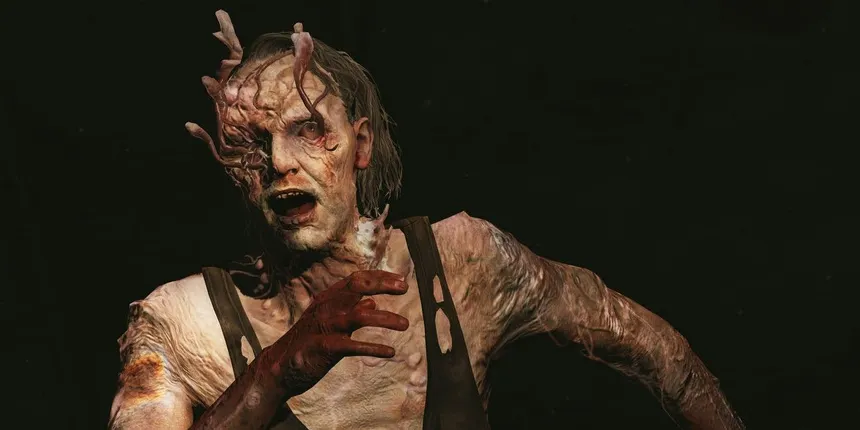
The zombies in "The Last of Us" represent one of the most scientifically plausible zombie scenarios in popular media, as they're not undead but rather humans infected by a mutated strain of the Cordyceps fungus. This concept is based on real-world Ophiocordyceps unilateralis, a parasitic fungus that infects insects, particularly ants, controlling their behavior before killing them and growing fruiting bodies from their corpses. In the game's universe, the fungus mutated to infect humans, causing a global pandemic that collapsed civilization. The infection spreads primarily through spores and bites from infected individuals. Once infected, victims progress through several stages of transformation, gradually losing their humanity as the fungus takes over their bodies and minds. The game takes place 20 years after the initial outbreak, in a world where survivors have adapted to life amid the infected, establishing quarantine zones and developing strategies to navigate infected-heavy areas. The HBO television adaptation of the game further expanded on the concept, suggesting that the fungus could spread through food products like flour and forming interconnected networks or "hiveminds" across large areas.
In the game's lore, the Cordyceps brain infection (CBI) originated in South American crops that were treated with a mutated fungicide, causing the Cordyceps fungus to evolve and gain the ability to infect humans. When the contaminated crops entered the global food supply, particularly through products like pancake mix and other grain-based foods, it triggered the initial outbreak. The infection typically begins with a bite from an infected individual or through inhalation of fungal spores. Within 1-2 days, infected individuals lose higher brain function and become aggressive, attacking and attempting to infect others. The fungus continues to grow throughout the host's body, eventually causing external fungal growths to burst through the skin. Unlike traditional zombies that are essentially reanimated corpses, the infected in "The Last of Us" are still alive, with the fungus controlling their nervous systems and altering their behavior. This biological basis for the infection makes them more vulnerable to traditional injuries than supernatural zombies - they can be killed through sufficient trauma to the body, not just head wounds, and they aren't immortal or undying. However, they also don't decompose as quickly as a normal corpse would, with the fungus preserving the body to continue spreading.
Stages of Infection
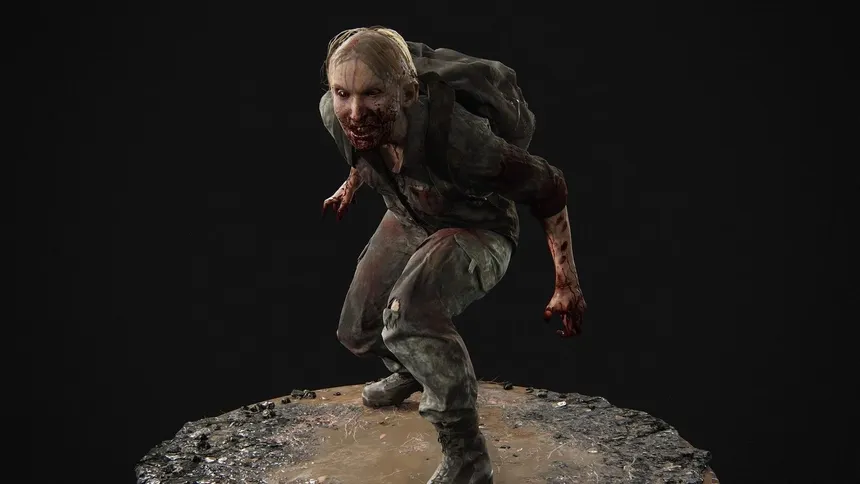
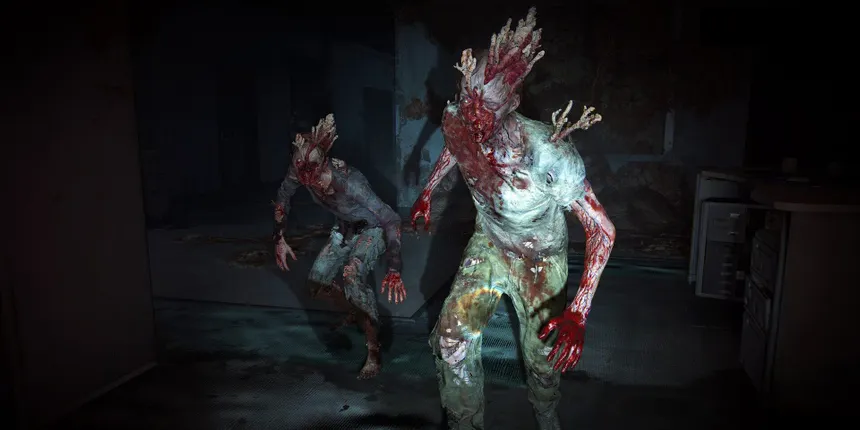
One of the most distinctive features of "The Last of Us" infected is their progression through different stages over time, each with unique characteristics and behaviors. The initial stage, Runners, occurs within days of infection. Runners maintain a relatively human appearance with minimal fungal growth, but display erratic, aggressive behavior and attack non-infected on sight. They retain some human qualities, occasionally seeming distressed or crying out, suggesting a partial awareness of their condition. The second stage, Stalkers, occurs weeks to months after infection and represents a transitional phase. Stalkers display more significant fungal growth across their bodies and demonstrate cunning behavior, hiding and ambushing victims rather than rushing them directly. They can still see and use basic tactics, making them particularly dangerous in dark environments. After approximately a year of infection, the host enters the Clicker stage, characterized by the fungus completely overtaking the head, causing the skull to split open with fungal plates. Clickers are blind, having lost their eyes to the fungus, but possess heightened hearing, using echolocation (clicking sounds) to navigate. They're significantly stronger than earlier stages and require more damage to kill.
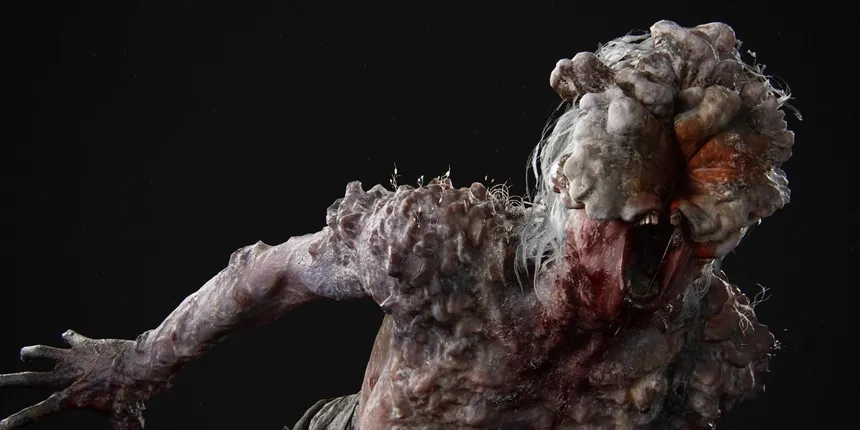
The final standard stage of infection is the Bloater, occurring after many years of infection. Bloaters are covered in thick fungal plates that act as armor, making them extremely difficult to kill with conventional weapons. They can tear fungal sacs from their bodies and throw them as gas bombs, releasing toxic spores that damage anyone nearby. In "The Last of Us Part II," an even more advanced stage was introduced - the Shambler, which has developed the ability to release corrosive spore clouds when approached or damaged. The sequel also introduced the Rat King, a unique infected formed from multiple bodies fused together over decades in a Seattle hospital basement, creating a terrifying amalgamation of different infection stages that can separate into individual components during battle. Another significant aspect of the infection is the presence of fungal spores in heavily infected areas, particularly in enclosed spaces with limited airflow. These spores necessitate the use of gas masks for non-infected individuals. The series also explores individuals with immunity to the infection, particularly through Ellie, a central character who was bitten but didn't turn, leading to a central narrative about the potential for a cure. This scientifically inspired approach to "zombies" creates a unique and terrifying enemy type that feels more grounded in reality than many other zombie portrayals in games and media.